
From your first call to your first dispatch.
What moving to Rapid Pack actually involves: the stages, timelines, operational detail and what changes for your team once you are live.
Moving to Rapid Pack, in numbers
- Typical onboarding to live dispatch
- 4 wks
- Fastest go-live from sign-off
- 72 hrs
- Same-day dispatch SLA cut-off
- 6PM
- Platforms and carriers integrated
- 60+
Before anything else: is there actually a fit?
We do not take on every enquiry. The first conversation is about understanding your operation, not pitching at you. If we are not the right fit, we will say so and explain why.
The first call covers what you are currently running: volume, SKU count, channels, current fulfilment setup and where it is starting to cause problems. No pitch deck. Just a direct conversation to understand whether what you need matches what we operate.
We will ask about- Monthly order volume and how it has been trending
- Number of SKUs and product types
- Channels including Shopify, Amazon, TikTok Shop, wholesale or a mix
- Where your current operation is breaking down or costing time
- Whether you are moving from self-fulfilment or another 3PL
- Specific requirements such as batch tracking, branded packing or B2B compliance
After the call we review whether the volume, complexity and operational requirements are a genuine match. If they are, we move to proposal. If not, whether that is volume, product category or timeline, we will tell you directly.
We would rather lose an enquiry than start a relationship that is not set up to work. If you are not quite there yet, we will tell you what the right inflection point looks like and stay in touch.
If the fit looks right, we put together a tailored proposal based on your actual operation, not a generic rate card. Pricing is built around volume bands, SKU profile and service requirements.
What is included- Itemised cost structure across receiving, storage, pick and pack and dispatch
- Volume bands clearly shown so you can see what changes as you scale
- Any one-off onboarding costs, if applicable
- SLA commitments written into the agreement, not just referenced verbally
Integration, inventory and getting the operation ready.
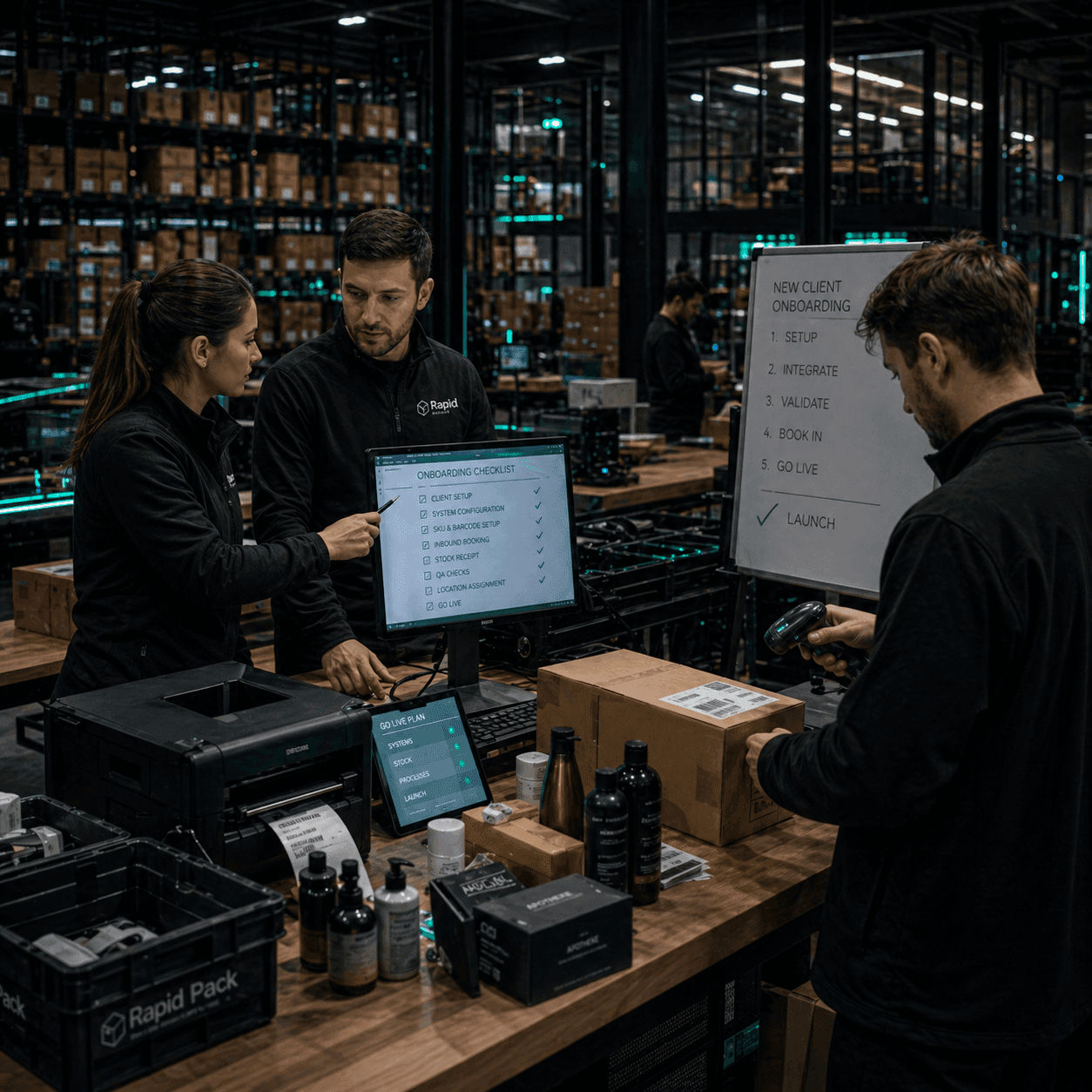
Most brands are fully onboarded within four weeks. The process is structured, not improvised, so nothing is live until we know it works correctly.
E-contract issued and signed. Onboarding team assigned. You have a named contact from this point, not a general inbox. The first onboarding call confirms the plan, stock transfer schedule and operation-specific requirements.
What gets confirmed- Go-live target date and any parallel running plan
- SKU list, barcodes and product specifications
- Packing requirements including standard, branded or kitting instructions
- Carrier preferences and account-specific requirements
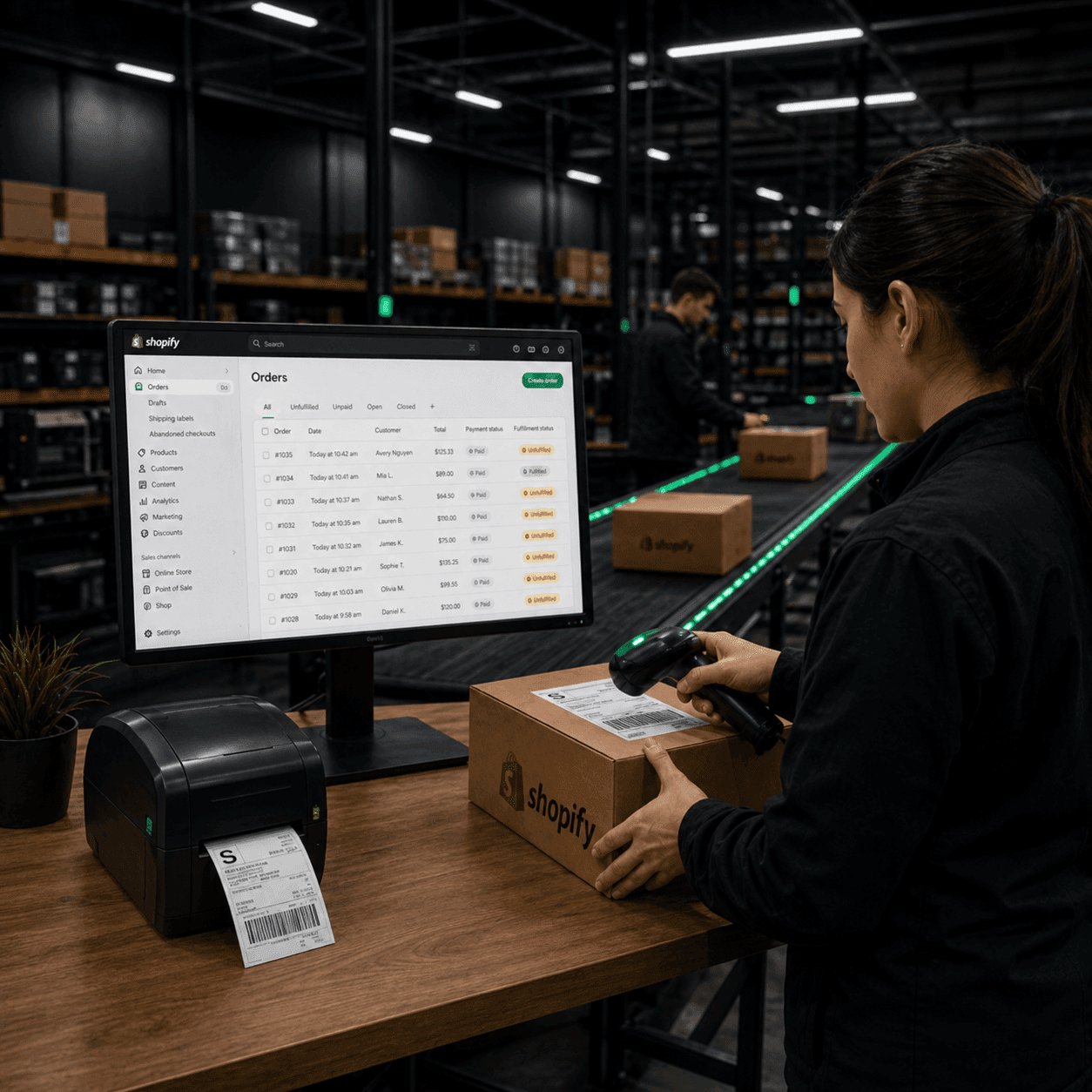
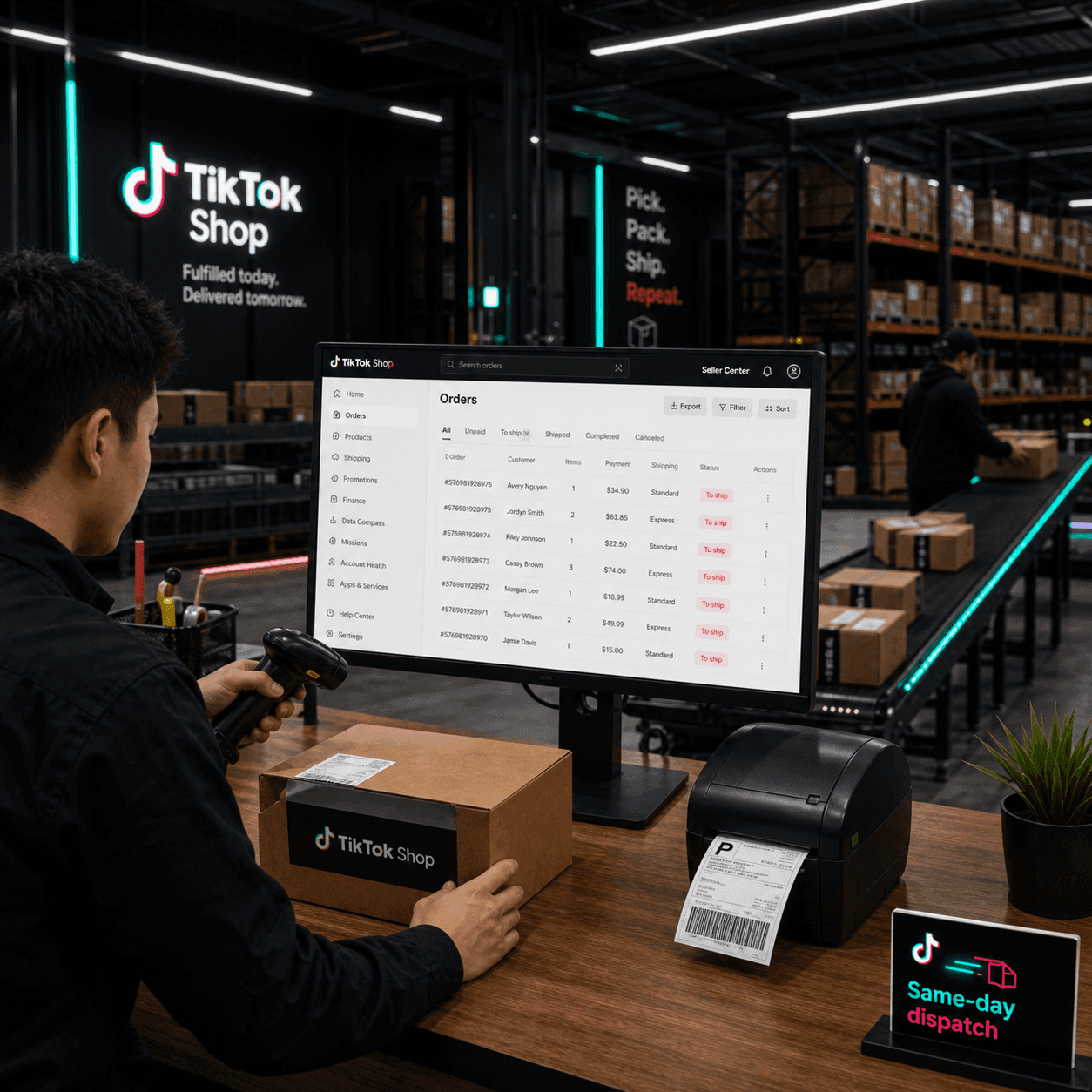
We connect your selling channels to the warehouse management system, configure order rules, test tracking write-back and confirm stock sync. Standard Shopify, TikTok Shop, Amazon, eBay and WooCommerce setups usually do not need your developer.
Integration checks- Orders entering the fulfilment queue correctly
- Carrier and service rules applying as expected
- Tracking numbers writing back to stores and marketplaces
- Inventory sync working before live dispatch starts
Stock transfers to our West Midlands DC on a defined schedule. For brands moving from another 3PL, this is where our switching programme applies: timing is coordinated around live stock, live orders and the outgoing warehouse.
Inbound receiving- Every SKU checked and barcode-verified on receipt
- Discrepancies flagged immediately
- Stock live in your inventory view as it is processed
- Batch or expiry requirements configured at inbound
When the first live orders ship.
We do not go live until integration, inventory and packing instructions are confirmed and the SLA clock is ready to start.
- 01
Test order sequence
Before live orders enter the queue, we run defined test orders to confirm pick accuracy, packing output, carrier label generation and tracking data. - 02
Parallel running where needed
For brands moving from an existing 3PL, we can run in parallel for a short window before a clean cutover. - 03
SLA clock starts on day one
From the first live order, SLA tracking is active. Cut-off, pick accuracy and on-time dispatch reporting start immediately. - 04
First 30-day review
At day 30, we review SLA results, accuracy, issues logged and what was changed. If something needs adjusting, we adjust it early.
How long it takes, honestly.
| Setup | Typical timeline |
|---|---|
| Simple setup: one store, standard SKUs | 3-5 days |
| Standard multi-channel setup | 2-3 weeks |
| Complex: EDI, multiple stores, B2B | 4-6 weeks |
| Migration from another 3PL | 3-5 weeks |
What the operation looks like once you are live.
The operational rhythm once you are running: what you can see, what gets measured and how issues are handled.
- Daily
Order dispatch cycle
Orders from connected channels arrive in our pick queue in real time. Pick and pack runs through the day with SLA-tracked cut-offs. Tracking updates back to your store automatically.
- Orders enter the pick queue automatically from connected channels
- Pick confirmed by barcode scan against the order
- Carrier label generated and tracking written back
- Orders manifested and collected by carriers on fixed schedules
- Live
Visibility and reporting
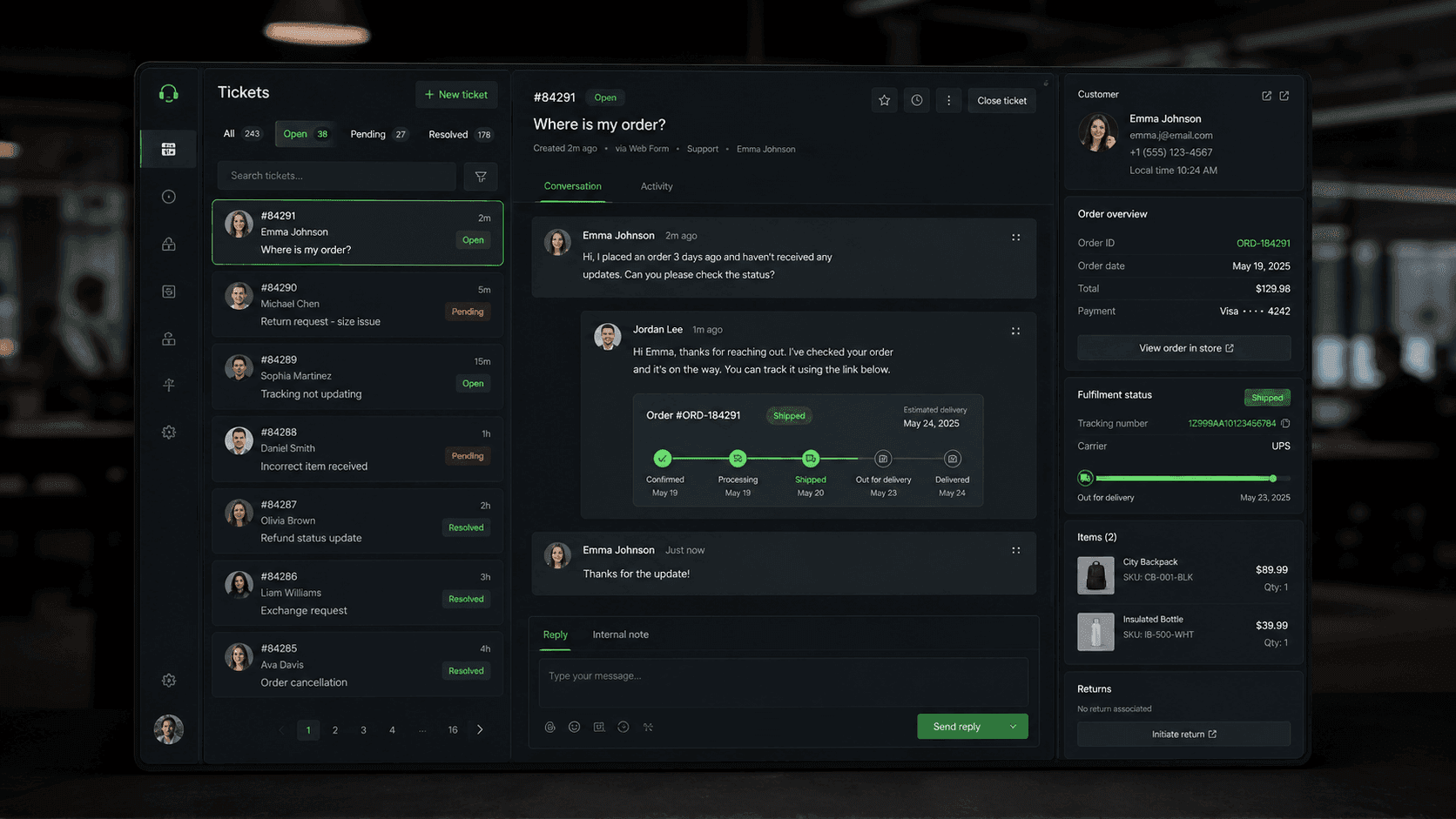
You have live access to order status, inventory levels, inbound receipts and returns data through your client dashboard. No waiting for a weekly email to know what is happening.
- Live order status: picked, packed, dispatched or held
- Real-time stock levels across every SKU
- Inbound receipts visible as stock is processed
- Returns logged, graded and visible against original orders
- SLA performance data by day, week and month
- When needed
How issues are handled
Things go wrong in fulfilment. What matters is how they are handled. We log exceptions, investigate cause and report resolution so you are not expected to discover problems yourself.
- Exceptions logged in real time
- Your contact responds within the working day
- Root cause identified where the issue is systemic
- Eligible SLA miss credits applied without you needing to chase

What you stop doing. What you gain instead.
The practical shift when fulfilment moves out of your operation and into a measured warehouse process.
- Manually chasing tracking updates and carrier queries
- Investigating pick errors after customer complaints
- Checking stock levels across disconnected systems
- Coordinating inbound deliveries with warehouse staff
- Reconciling billing that does not match what shipped
- Managing capacity around staff availability and peak periods
- Live order and stock data available without asking anyone
- SLA performance visible without chasing updates
- Exceptions flagged and resolved before they reach customers
- Billing transparent and line-item clear
- Peak volume absorbed by the operation
- Your team redirected to growth, not operational maintenance
Questions before committing.
What happens to my current stock if I am moving from another 3PL?
We coordinate the transfer as part of onboarding. Your current 3PL releases stock on an agreed schedule; we receive, verify and make it live before you cut over orders.
Do I need a developer to integrate my store?
For standard Shopify, WooCommerce, TikTok Shop, Amazon FBM and eBay, usually no. We handle the integration and you authorise access. Custom setups and EDI are scoped separately.
What is the minimum volume you work with?
Our floor is broadly 1,000+ orders per month, or brands growing toward that within a short timeframe. Below that, structured 3PL economics may not work well yet.
Can I visit the facility before committing?
Yes. We are open to facility visits at our West Midlands operation. A walk around the floor often answers questions a call cannot.
How does pricing work for seasonal or variable volumes?
Pricing flexes with volume. Expected peak is planned into the operation. Extreme unexpected peaks are scoped separately if they require dedicated resource.
What products do you not handle?
We do not handle hazardous goods requiring ADR classification, live animals or temperature-controlled products requiring cold chain. Ambient food, supplements and cosmetics can be a good fit.
We are not the right fit for every brand.
The fastest way to know is a 20-minute call. We will tell you directly whether we are a match, and if not, what the right move looks like from where you are.
- 1,000+ orders per month, growing consistently
- Shopify, TikTok Shop, Amazon, WooCommerce or multi-channel
- SKU complexity increasing or specialist requirements like batch tracking
- Fulfilment affecting customer experience or absorbing team time
- Moving from self-fulfilment or a 3PL that is underperforming
- Wanting live visibility and measured SLAs, not best-effort
- Still building toward consistent monthly volume
- Sub-500 orders per month with no near-term growth trajectory
Twenty minutes. A straight answer either way.
Drop your details and we will review your volume, channels and setup before the call. You will get a direct answer on fit, not a sales process that takes three weeks to reach a conclusion.